
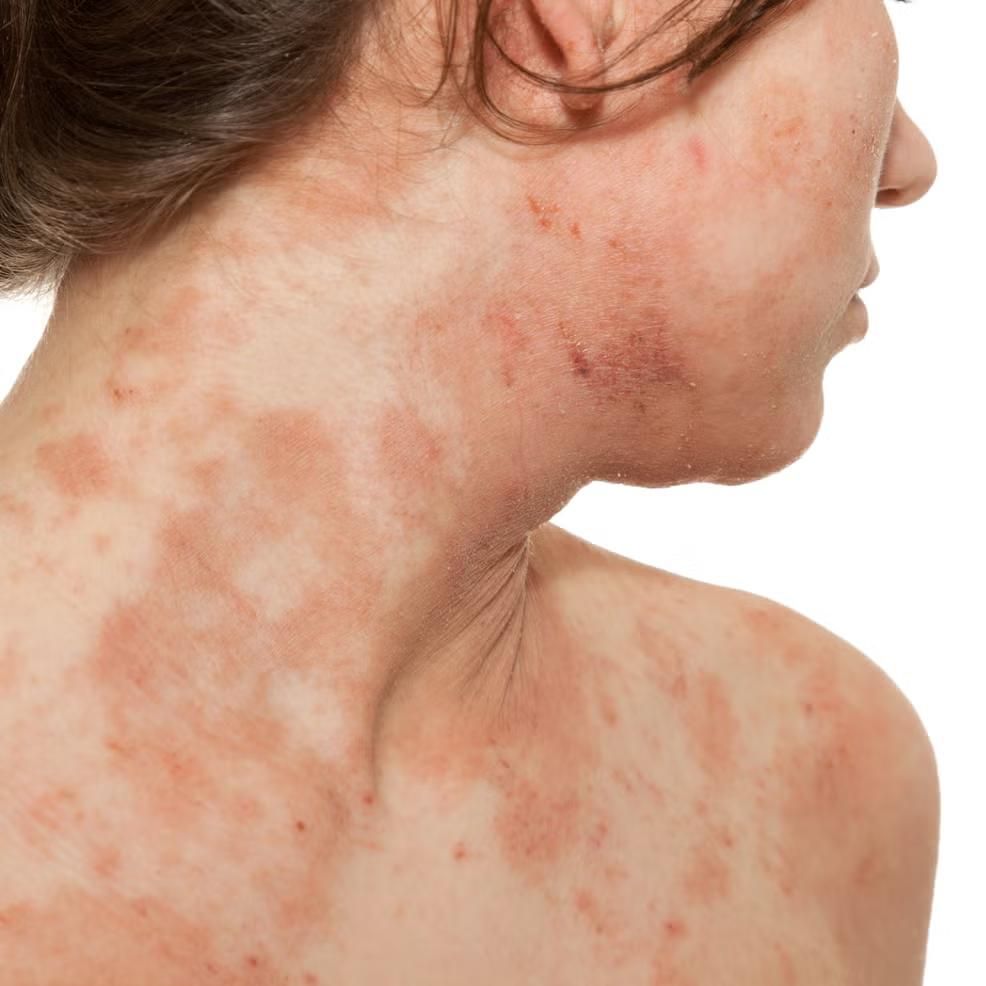
Vitiligo occurs when melanocytes — the cells responsible for producing skin pigment (melanin) — are destroyed or stop functioning. It can affect the skin, hair, and even the inside of the mouth. While it is not contagious or dangerous, it can cause emotional distress due to visible skin changes. The exact cause is unknown, but autoimmune factors and genetics are thought to play major roles. Treatments can help restore some color to the affected areas.
? Key Points:
-
Cause: Autoimmune reaction, genetics, oxidative stress
-
Symptoms: White patches on skin, hair turning white, pigment loss
-
Treatment: Topical corticosteroids, phototherapy, skin grafting, camouflage makeup
-
Prevention: No full prevention, but early treatment helps manage spread

Bacterial Skin Infection (Cellulitis)
October 20, 2025

DNB FAMILY MEDICINE JUNE 2025 PAPER 1 Q & A
January 23, 2026
Peripheral Artery Disease (PAD)
January 01, 1970
Seborrheic Keratosis
January 01, 1970